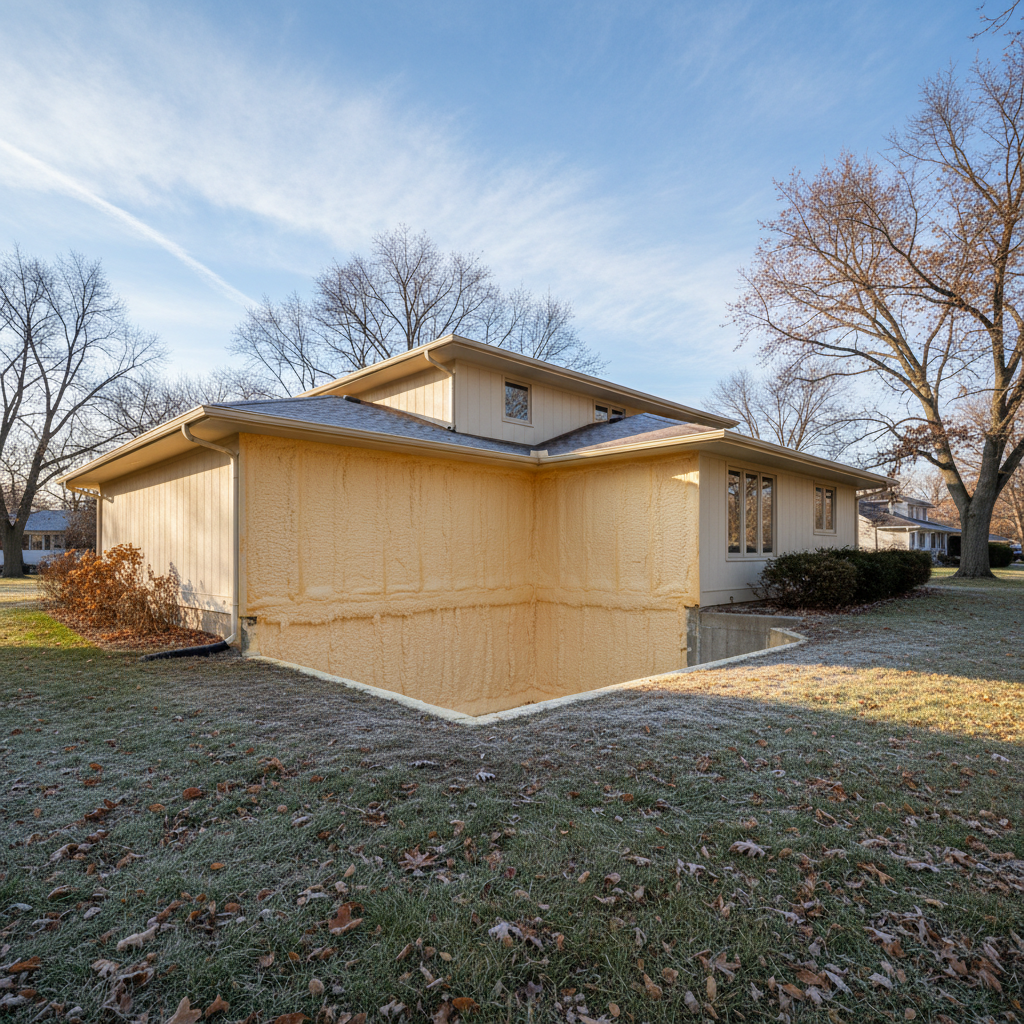
So, you're probably thinking about closed-cell spray foam, especially with our wild Evanston weather. It's a really good product, no doubt. But like anything worth doing right, there's a good way to go about it. After years in this business with Western Insulation Company, I've seen firsthand what truly works and what doesn't here in Chicagoland.
When's the Best Time to Schedule Closed-Cell Spray Foam?
This is one of the questions I get asked most often. Honestly, the perfect time for closed-cell spray foam usually depends less on the calendar and more on the conditions inside and outside your house. We can certainly install closed-cell year-round, but some seasons just make things easier.
Generally, spring and fall are fantastic. Temperatures are usually pretty mild — not too hot, not too cold. This means we aren't fighting extreme heat or trying to warm up a freezing attic before we even get started. Plus, you're probably not running your furnace or AC full blast, so there's less interruption to your daily comfort, which is nice.
Summer can work, but we'll definitely need to manage the heat. Winter? Totally doable, but it means more prep work, especially in unheated spots like attics or crawl spaces. We might need to bring in temporary heaters to get the substrate (that's the surface we're spraying onto) up to temperature. The foam needs to stick properly, and cold surfaces can mess with that.
What Weather Conditions Affect the Work?
This part is super important. Closed-cell spray foam is a chemical reaction, and that reaction really cares about temperature and humidity. We're not just spraying paint here; we're creating an insulation barrier that expands and then hardens.
- Temperature: Both the air temperature around us and the temperature of the surface we're spraying are incredibly important. If it's too cold, the foam can get brittle, cure too slowly, or just not expand right. Too hot, and it might cure too fast, which can lead to bad adhesion or density problems. For closed-cell, we generally want substrate temperatures above 40°F (and ideally warmer) for the best results. In Evanston, especially in older homes with unheated attics or basements, winter can really drop those surface temps. We'll always check this before we begin.
- Humidity: Closed-cell foam isn't as sensitive to humidity as open-cell, but very high humidity can still sometimes affect how it cures, especially if surfaces get condensation. We need dry surfaces for the foam to stick well.
- Wind: This is more about keeping everyone safe and managing overspray. If we're working in an open area, like a garage or a new construction site, strong winds can make it tough to control the spray and keep it exactly where it needs to be.
- Rain/Moisture: This is a hard stop. We absolutely cannot spray onto wet surfaces. Period. If there's a leaky roof or a damp crawl space, we'll have to fix that first. The foam needs a clean, dry surface to bond to.
We're always keeping an eye on these conditions. If the weather isn't playing nice, we might have to reschedule. It's not about being difficult; it's about making sure you get the best possible outcome and that your investment lasts.
Protecting Your Closed-Cell Investment Year-Round
Once it's in, closed-cell spray foam is incredibly tough. It's not going anywhere. But there are a few things to remember to make sure it keeps working its best.
First, don't mess with it. Seriously. If you need to run new wiring or plumbing through an area that's been sprayed, call a professional. Cutting into the foam can weaken it and create air leaks. We can usually patch it up correctly, no problem.
Keep an eye on your roof and plumbing, too. While closed-cell foam is a great air and moisture barrier, it can't stop a huge leak from above. If your roof leaks, water can still get behind the foam or soak the materials it's stuck to. Address any leaks right away. This is especially true in areas like Central Street, where many homes have older, complex rooflines that can be prone to issues.
Also, if you have any pest problems, get them taken care of. While rodents generally don't like closed-cell foam because it's so dense, they can still chew through other materials to get to it. Keep your attic and crawl spaces clear of pests.
Lastly, make sure you have good ventilation in places that need it, like bathrooms and kitchens. While the foam seals your home up tight, you still need to manage indoor air quality. That's a different issue than insulation, but it's all part of a healthy home system.
Closed-cell spray foam is a big investment, and it's one that really pays off in comfort and energy savings for decades. By understanding the timing, weather considerations, and how to maintain it, you're setting yourself up for success. If you have any questions about your specific Evanston home, please don't hesitate to give us a call at Western Insulation Company. We're always happy to talk shop.