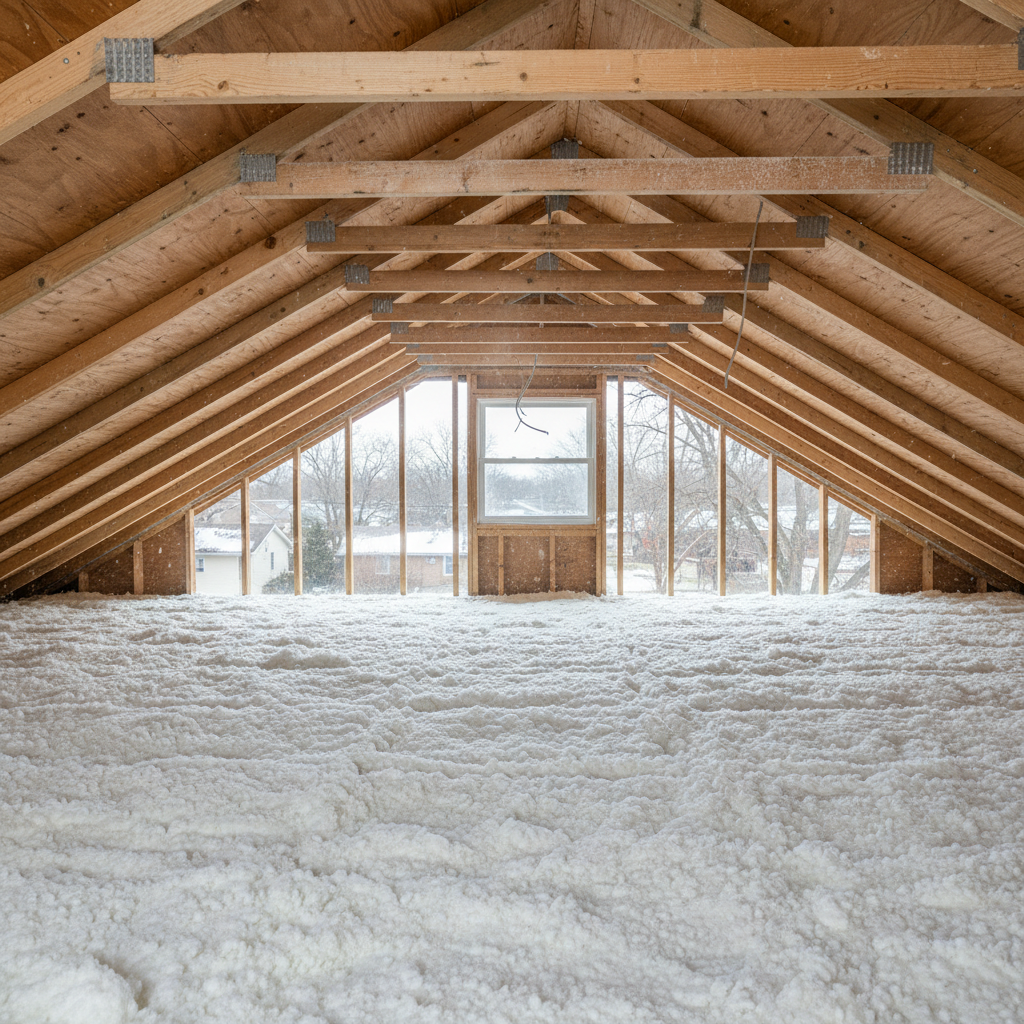
So, you've got blown-in insulation in your attic. Nice! It's honestly one of the smartest investments you can make for your home's comfort and those pesky energy bills, especially here in Evanston. We get those brutal deep freezes, don't we? And then, just to keep things interesting, sweltering humid summers. But here's the thing: just like pretty much everything else in your house, it's not a 'set it and forget it' kind of deal. You've got to give it a little attention to make sure it keeps doing its job for decades.
Extending Your Insulation's Lifespan
Good news first: blown-in insulation – whether you've got cellulose or fiberglass – is pretty tough stuff. It's not just going to fall apart on you overnight. Usually, the biggest threats to how long it lasts are things from the outside. So, the main way you can make it last longer? Protect it from moisture and from getting messed with. That means keeping your roof in good shape. Seriously, a leaky roof is insulation's archenemy. Waterlogged insulation gets all compacted, loses its R-value, and can even grow mold. So, if you spot a shingle out of place or even just suspect a leak, get it fixed right away.
Here's another big one: try not to walk around in your attic more than you have to. If you're up there storing holiday decorations or old photo albums, it's smart to lay down some plywood sheets over your joists to create pathways. Stepping directly on the insulation squishes it down, and squished insulation just doesn't insulate as well. Think of it like a winter coat that's been flattened – it just won't keep you as warm, will it?
Regular Check-Ups: What to Look For
You don't need to be up in your attic every single month, but a quick visual check once a year, maybe in the fall before the cold really bites, is a really smart move. Here's what I always tell people to look out for:
- Even Coverage: Is the insulation still spread out evenly? Can you see any bare spots where the ceiling joists are clearly visible? Sometimes, especially around attic hatches or vents, it can get pushed aside.
- Settling: Blown-in insulation, particularly cellulose, might settle a bit over time. If you started with 18 inches and now you're only seeing 15, that's a sign of some settling. It's usually not a huge problem unless it's really excessive, but it does mean your R-value has dropped a little.
- Moisture Stains: Any weird discoloration on the insulation itself or on the wood underneath it? That's a big red flag. It points to a leak, either from the roof or maybe even a plumbing vent.
- Pest Activity: Keep an eye out for droppings, nests, or tunnels in the insulation. Mice, squirrels, and even raccoons just love a warm, fluffy attic. They'll compact and contaminate your insulation, and sometimes they'll even chew through wiring. We honestly see this a lot in older Evanston homes, especially those near the lake or with mature trees giving them easy access.
- Blocked Vents: Make sure your soffit and ridge vents aren't covered by insulation. You really need good airflow in your attic to prevent moisture buildup and those nasty ice dams.
Warning Signs You've Got a Problem
Sometimes you don't even need to go into the attic to know something's wrong. Your house will actually tell you. So, keep an eye out for these things:
- Higher Energy Bills: If your heating or cooling costs suddenly jump without you using more energy or utility rates changing, compromised insulation is a prime suspect.
- Inconsistent Room Temperatures: Are some rooms noticeably colder in winter or hotter in summer than others? This is especially true for rooms on the top floor.
- Ice Dams: This is a classic sign of poor attic insulation and ventilation. If you're seeing thick ridges of ice building up at your roof's edge, it means heat is escaping from your attic, melting snow, which then refreezes.
- Drafts: Feeling drafts even when your windows are closed? That can sometimes point to issues where the attic insulation meets wall cavities.
- Musty Odors: A persistent musty smell, particularly on the top floor, could mean mold or mildew is growing because of moisture issues in the attic.
When to Call a Professional
Look, I'm a big believer in doing things yourself when it makes sense. But some jobs are really just best left to the pros. If you notice any of those major warning signs – things like significant settling, widespread moisture, pest infestations, or persistent ice dams – it's definitely time to call someone like us at Western Insulation Company. We've got the tools and the experience to safely inspect your attic, figure out what's causing the problem, and recommend the right fix.
Trying to patch up a major insulation issue yourself can often just lead to bigger problems down the road. We can re-fluff, add more insulation to bring it up to code (which is R-49 to R-60 for our climate zone, by the way), or even remove and replace contaminated insulation. Don't let a small problem turn into a huge headache. A little proactive maintenance and knowing when to call for help will keep your blown-in insulation doing its job for years to come, keeping your Evanston home comfortable and efficient.